Request a Demo
Platform

One operating system for your entire services business.

Clousys brings demand, people, projects, money and intelligence together—so every decision starts with the same operational truth.
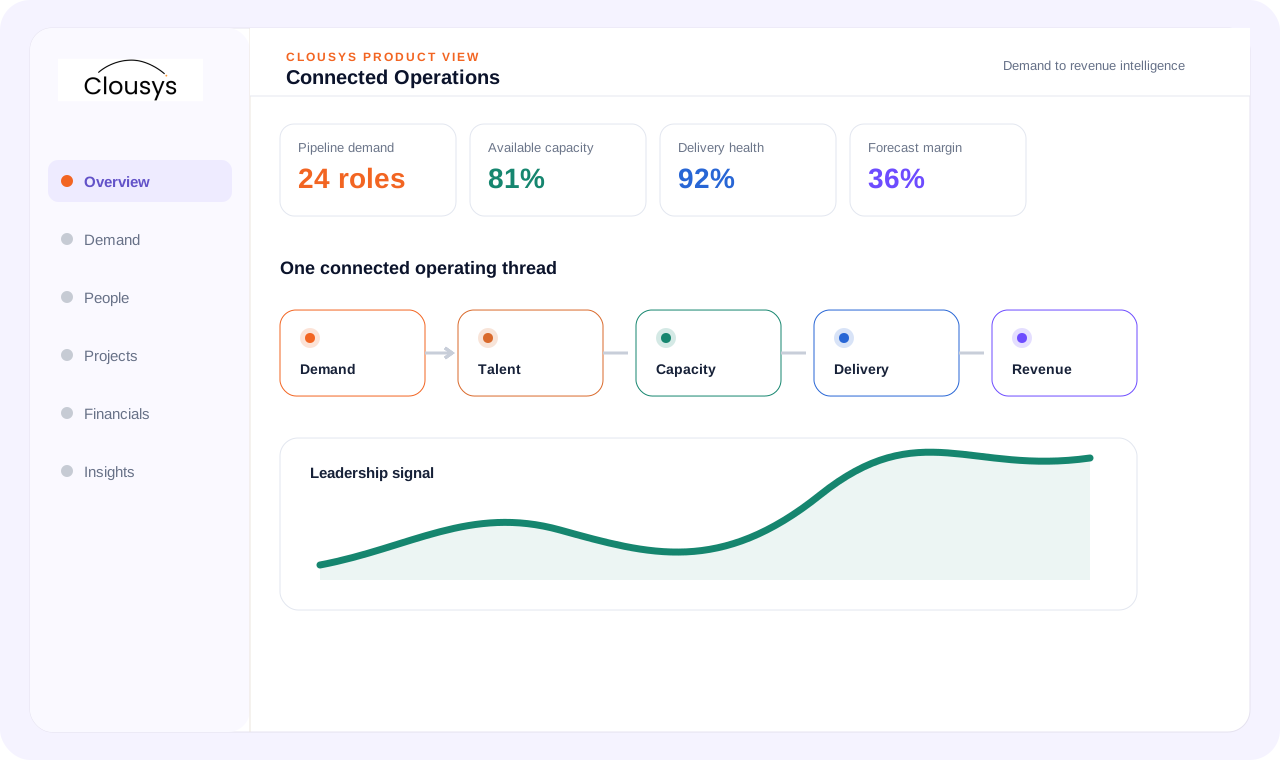
AI and Automation interface illustration
Illustrative product view · sample data, not a performance claim
Connected by design

From opportunity to executive intelligence.

Each workflow carries context into the next, creating a reliable operational thread from pipeline to recognized revenue.

OpportunityTalentResource planningDeliveryTime & expenseBillingRevenueAI insights
01

Sales operations

Turn CRM opportunities into forecast resource demand.

02

Talent operations

Recruit and onboard against real delivery needs.

03

Delivery operations

Connect staffing, work, milestones, time and margin.

04

Financial operations

Accelerate billing and protect earned revenue.

05

Executive intelligence

See utilization, risk, margin and growth in context.

06

AI decision engine

Predict risks and recommend the next best action.

Decision intelligence

AI that helps leaders make better decisions.

01

Predict project risk

Surface schedule, capacity and margin signals early.

02

Recommend resources

Rank available talent using skills, experience and economics.

03

Forecast revenue

Connect pipeline confidence to delivery capacity and billing.

04

Identify utilization gaps

See bench, allocation and release risks before they grow.

05

Suggest hiring needs

Convert demand gaps into forward-looking talent plans.

06

Protect margin

Detect leakage and cost pressure throughout delivery.

EXECUTIVE ORG 360

Turn operational activity into executive decisions.

See confirmed leakage, estimated exposure, recoveries and the underlying causes without combining incompatible numbers.
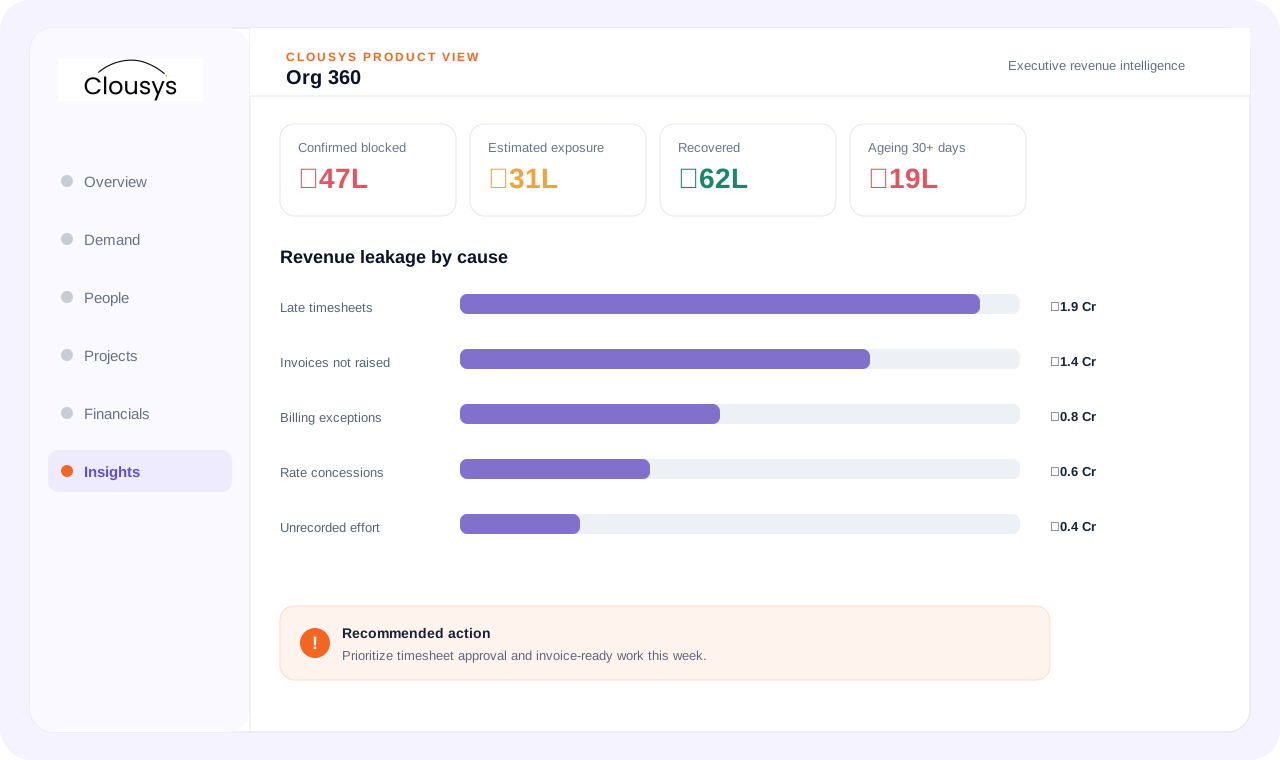

  • Separate fact from forecast
  • Trace leakage to its source
  • Prioritize the next action

See this workflow in action

Clousys turn operational activity into executive decisions. product illustration
ONE ECONOMIC SYSTEM

The value is lost between systems—not inside them.

A won deal becomes resource demand. Demand exposes a skills gap. That gap drives hiring, capacity, allocation, delivered work, billable time, revenue and margin. Clousys keeps every handoff connected on one operational record.

Demand→Capacity→Talent→Delivery→Revenue
CONNECTED WORKFLOW
  1. 1
    Operational signalCapture the source context
  2. 2
    Evidence & contextCheck the supporting evidence
  3. 3
    Recommended actionResolve the handoff
  4. 4
    Human decisionReview the next decision
Context stays with the work at every handoff.

Plan capacity before close

Give resource teams visibility while opportunities are still being shaped—not after delivery dates have been committed.

Hire from forecast demand

Raise requisitions from real skills gaps before recruitment becomes urgent, expensive and disconnected from delivery.

Move work into revenue

Carry approved time, rates and delivery context into billing without weeks of spreadsheet reconciliation.

CUSTOMER OUTCOME

One connected lifecycle in production.

The supplied V4C case data shows the operating chain running across demand, resourcing, talent, delivery, time and billing for more than 400 consultants.

1 dayinvoice lag, reduced from 5–7 days
81%billable utilization, increased from 74%
22 hrsmonthly reporting effort, reduced from 352 hours
400+consultants measured across 90 days after go-live

Performance figures are drawn from V4C’s Clousys production data presented in the supplied platform deck.

CONSOLIDATE OR CONNECT

Keep the systems that work. Connect the decisions that matter.

Consolidate fragmented work

Replace spreadsheet-run processes, overlapping point tools and workflows dominated by manual reconciliation.

Integrate established systems

Retain effective payroll, finance and regulated systems through governed, Salesforce-native integration.

Give AI full context

Support AI with connected demand, resourcing, talent, delivery, time and finance data—not one isolated function.

Connected context

Start with the relationships between opportunity demand, skills, assignments, projects and financial outcomes. An isolated data point rarely explains a services decision. The useful context is the chain showing how a change in one team’s plan affects the others.

Risk signals

Use operational signals to focus attention on potential delivery, capacity and revenue issues. Distinguish observed facts from forecasts and make uncertainty visible. Teams need to understand why a warning matters before they can decide how to respond.

Resource recommendations

Compare staffing options using requirements, availability and relevant experience. Make the constraints behind a recommendation available to the manager. Final assignment decisions should account for delivery commitments and human context that may not be captured completely in data.

THE LATEST FROM CLOUSYS

Ideas for your next operating decision.

View all insights →