

INSIGHT ·
From Pipeline to Capacity: Building a Connected Demand Forecast
Translate likely opportunities into dated skill requirements without treating every possible deal as a confirmed assignment.
Read article →CLOUSYS · ROLE & INDUSTRY WORKSPACE
Understand how growth commitments affect capacity, delivery confidence and profitability.
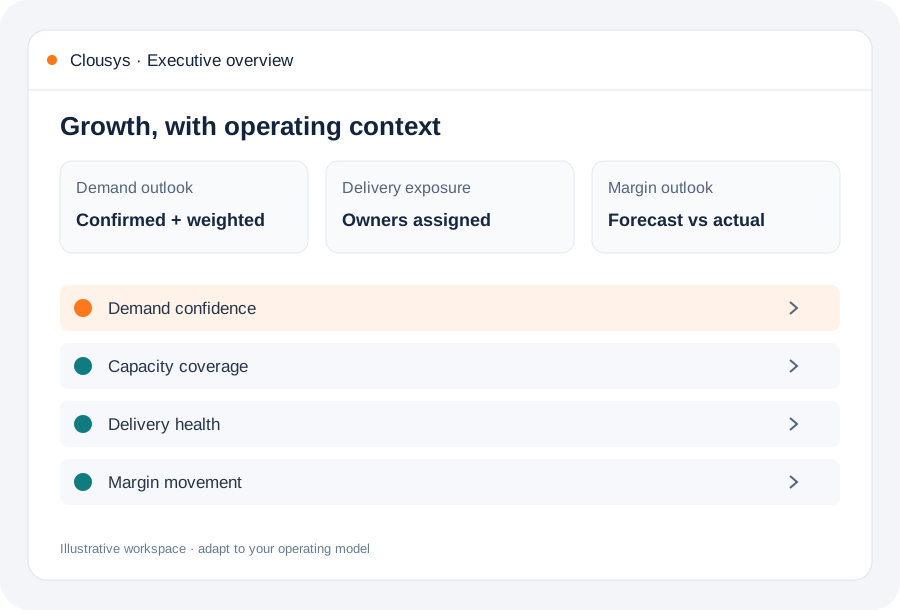
THE DECISION THIS SUPPORTS
Before committing to new work, review the capacity, delivery exposure and financial assumptions behind the plan. Ask which constraint changes the decision and who owns resolving it.
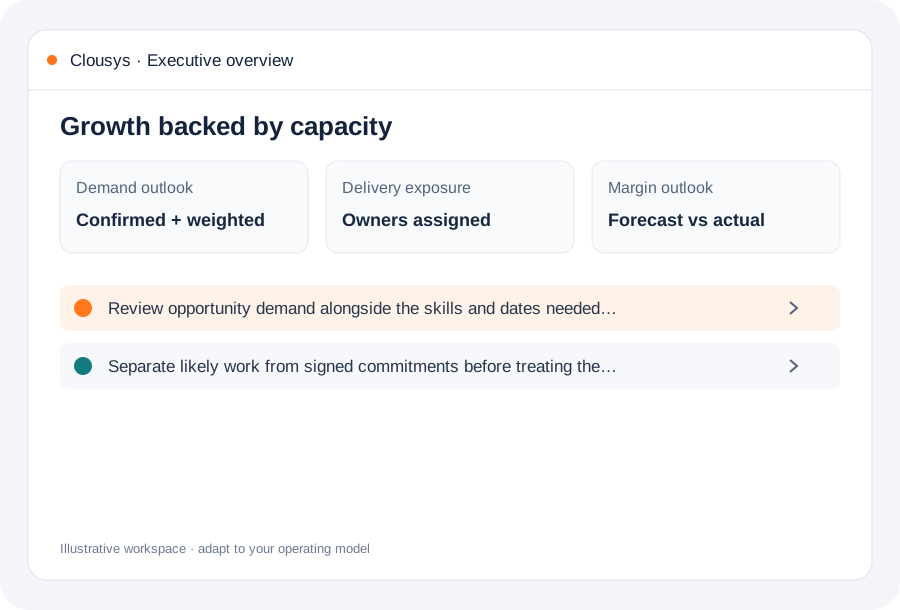
Review opportunity demand alongside the skills and dates needed to deliver it. Separate likely work from signed commitments before treating the pipeline as an executable growth plan.
Compare the revenue outlook with delivery progress and invoice readiness. Ask whether a change reflects timing, capacity, scope or an unresolved billing exception.
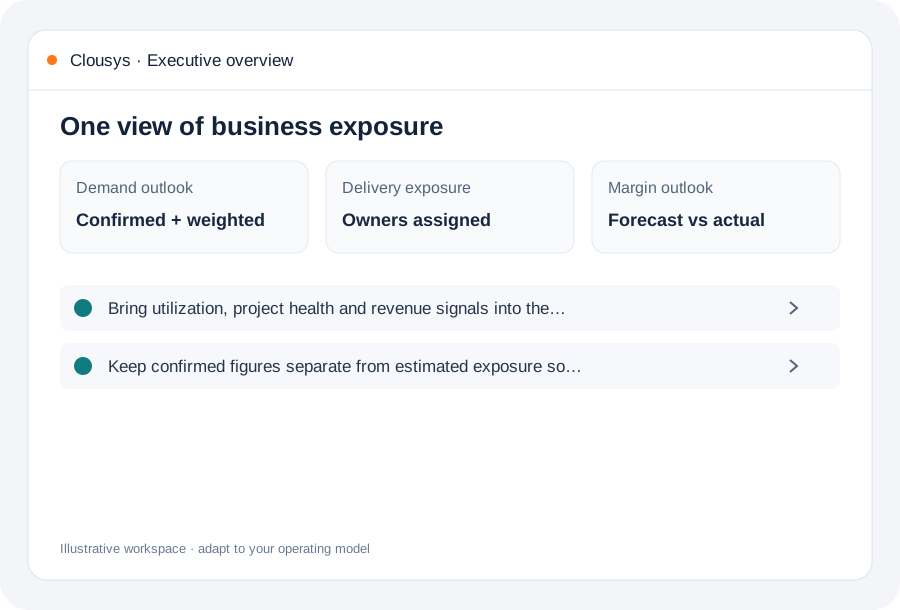
Bring utilization, project health and revenue signals into the same leadership review. Keep confirmed figures separate from estimated exposure so decisions have a clear evidential basis.
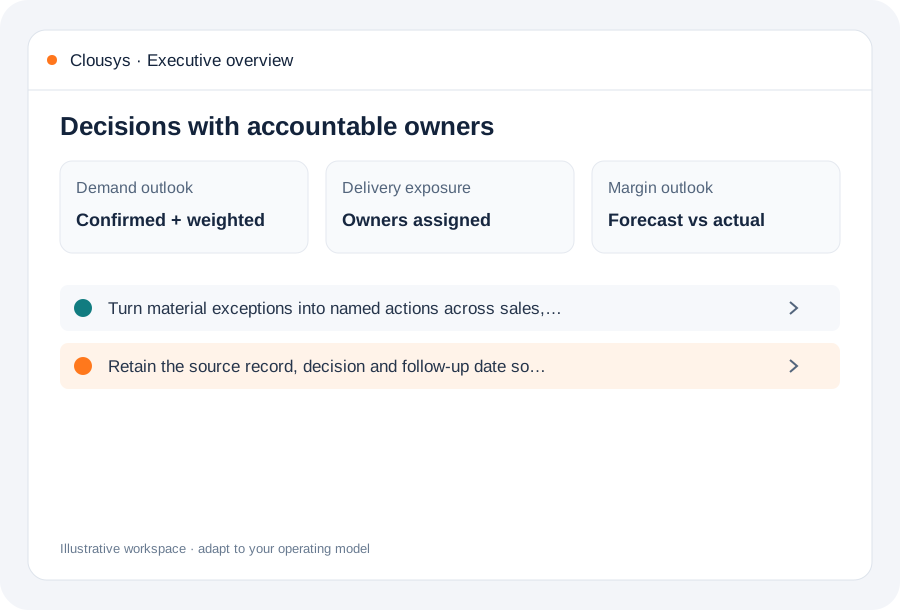
Turn material exceptions into named actions across sales, people, delivery and finance. Retain the source record, decision and follow-up date so leadership can see whether the blocker moved.
Translate likely opportunities into dated skill requirements without treating every possible deal as a confirmed assignment.
Read article →
Review scope changes, excess effort, staffing mix, rate exceptions, idle capacity, late records and billing delays together.
Read article →
Give leaders a traceable view of capacity, delivery and financial risk, with clear distinctions between facts and estimates.
Read article →
Evaluate a resource recommendation against experience, delivery context and the constraints a skills score cannot explain.
Read article →