

INSIGHT ·
From Pipeline to Capacity: Building a Connected Demand Forecast
Translate likely opportunities into dated skill requirements without treating every possible deal as a confirmed assignment.
Read article →CLOUSYS · ROLE & INDUSTRY WORKSPACE
Coordinate the handoffs between demand, staffing, delivery and financial operations.
THE DECISION THIS SUPPORTS
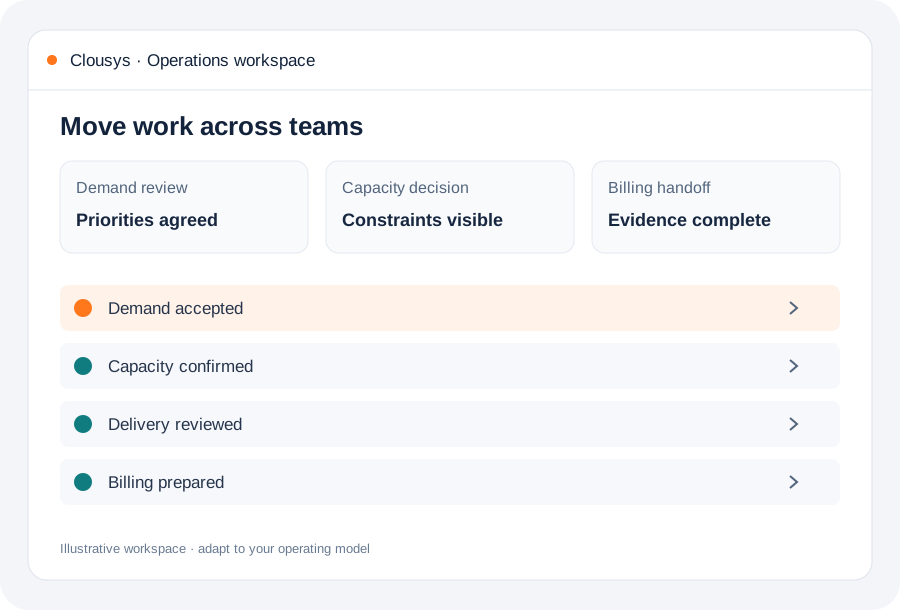
Follow one engagement through demand, staffing, execution and billing. Identify the owner at every transition and the exception that prevents the next team from acting.
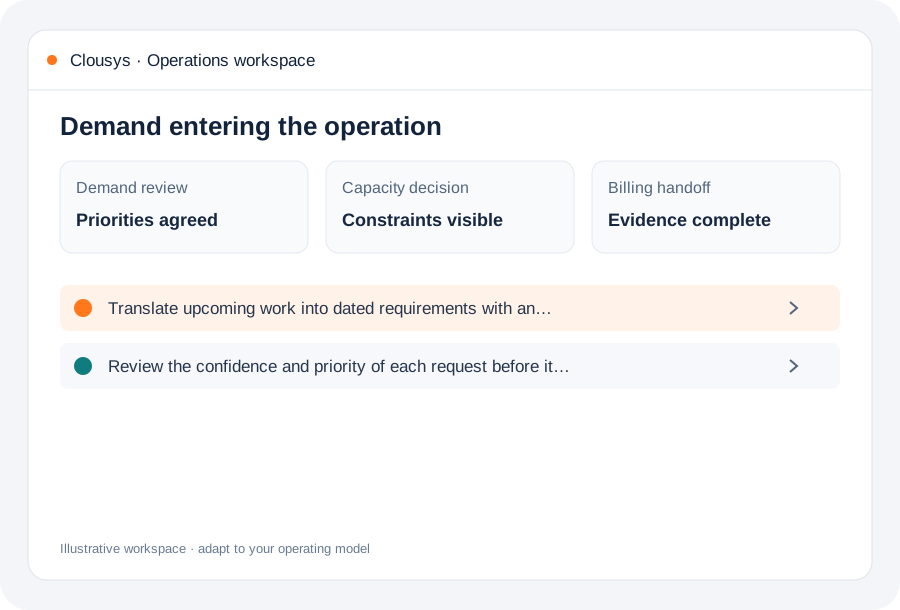
Translate upcoming work into dated requirements with an accountable owner. Review the confidence and priority of each request before it becomes a staffing commitment.
Compare demand with allocations, planned leave and upcoming releases. Discuss specialist constraints across practices rather than treating each team as an isolated pool.
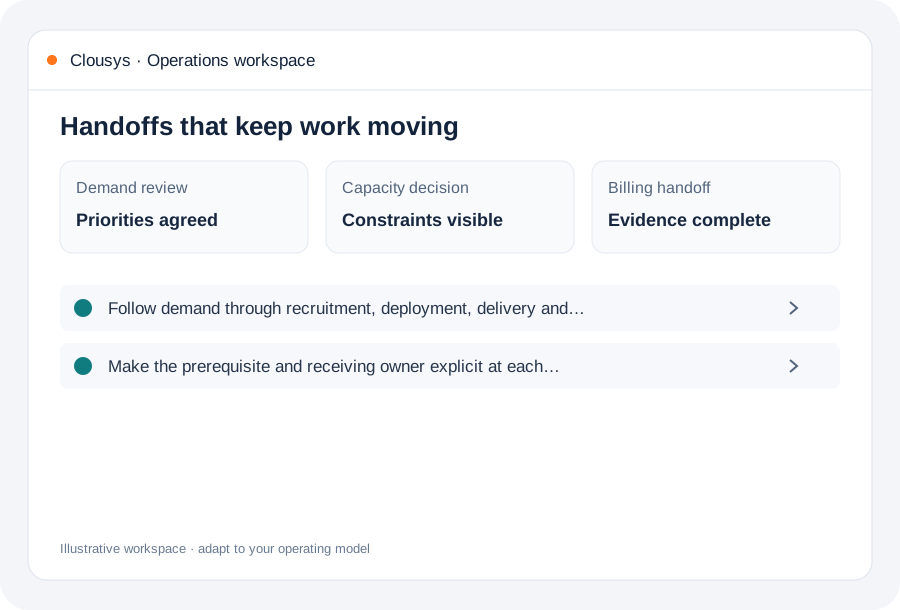
Follow demand through recruitment, deployment, delivery and billing. Make the prerequisite and receiving owner explicit at each transition.
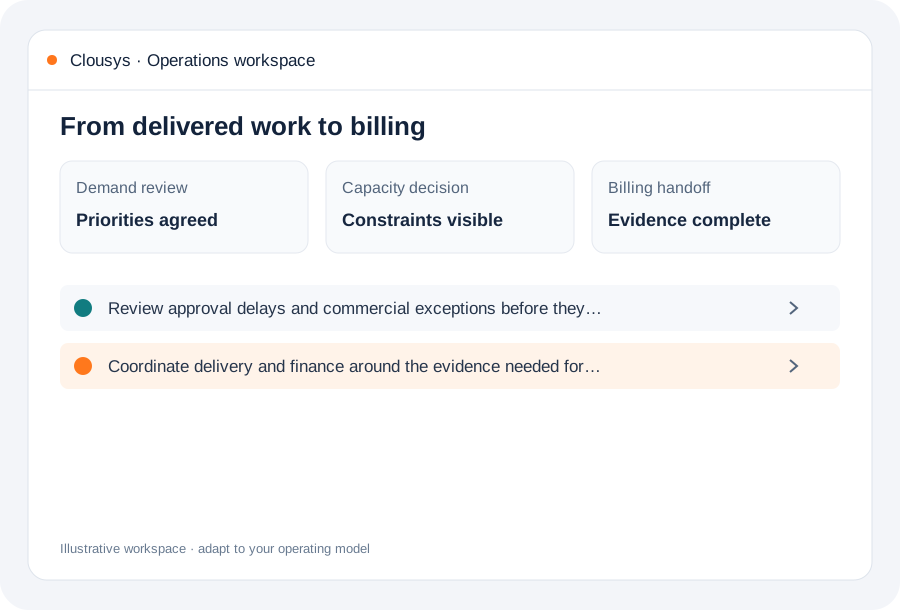
Review approval delays and commercial exceptions before they accumulate. Coordinate delivery and finance around the evidence needed for invoice readiness.
Translate likely opportunities into dated skill requirements without treating every possible deal as a confirmed assignment.
Read article →
Review scope changes, excess effort, staffing mix, rate exceptions, idle capacity, late records and billing delays together.
Read article →
Give leaders a traceable view of capacity, delivery and financial risk, with clear distinctions between facts and estimates.
Read article →
Evaluate a resource recommendation against experience, delivery context and the constraints a skills score cannot explain.
Read article →