

INSIGHT ·
From Pipeline to Capacity: Building a Connected Demand Forecast
Translate likely opportunities into dated skill requirements without treating every possible deal as a confirmed assignment.
Read article →CLOUSYS · ROLE & INDUSTRY WORKSPACE
Make staffing decisions using real availability, skills and dated demand.
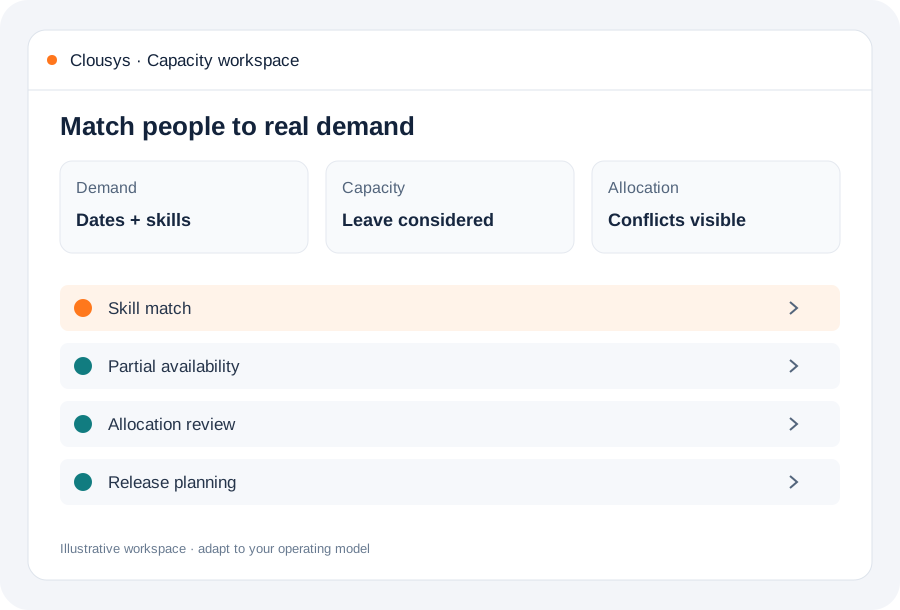
THE DECISION THIS SUPPORTS
Compare requested skills and dates with allocations, leave and upcoming releases. Keep tentative bookings distinct from confirmed commitments.
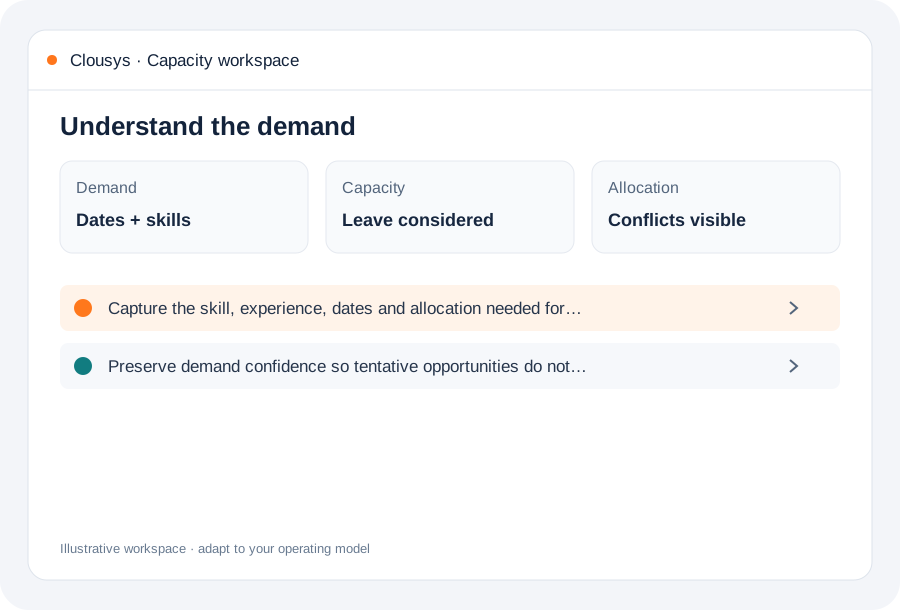
Capture the skill, experience, dates and allocation needed for each request. Preserve demand confidence so tentative opportunities do not look like confirmed delivery work.
Review current assignments, working patterns and leave before offering availability. A person on the employee list is not necessarily available for the requested period.
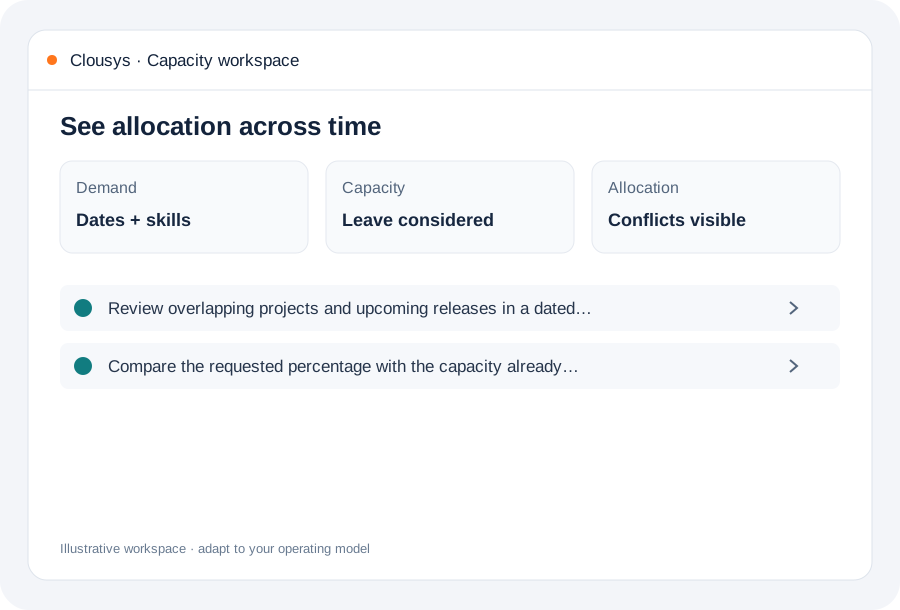
Review overlapping projects and upcoming releases in a dated schedule. Compare the requested percentage with the capacity already committed.
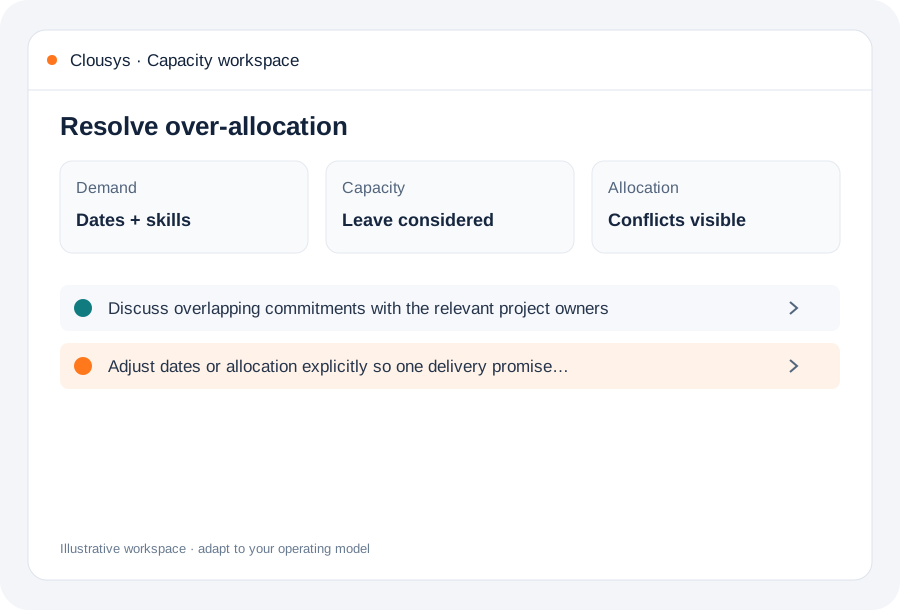
Discuss overlapping commitments with the relevant project owners. Adjust dates or allocation explicitly so one delivery promise does not silently displace another.
Translate likely opportunities into dated skill requirements without treating every possible deal as a confirmed assignment.
Read article →
Review scope changes, excess effort, staffing mix, rate exceptions, idle capacity, late records and billing delays together.
Read article →
Give leaders a traceable view of capacity, delivery and financial risk, with clear distinctions between facts and estimates.
Read article →
Evaluate a resource recommendation against experience, delivery context and the constraints a skills score cannot explain.
Read article →