
INSIGHT ·
From Pipeline to Capacity: Building a Connected Demand Forecast
Translate likely opportunities into dated skill requirements without treating every possible deal as a confirmed assignment.
Read article →CLOUSYS · ROLE & INDUSTRY WORKSPACE
Align hiring, employee information and workforce readiness with future demand.
THE DECISION THIS SUPPORTS
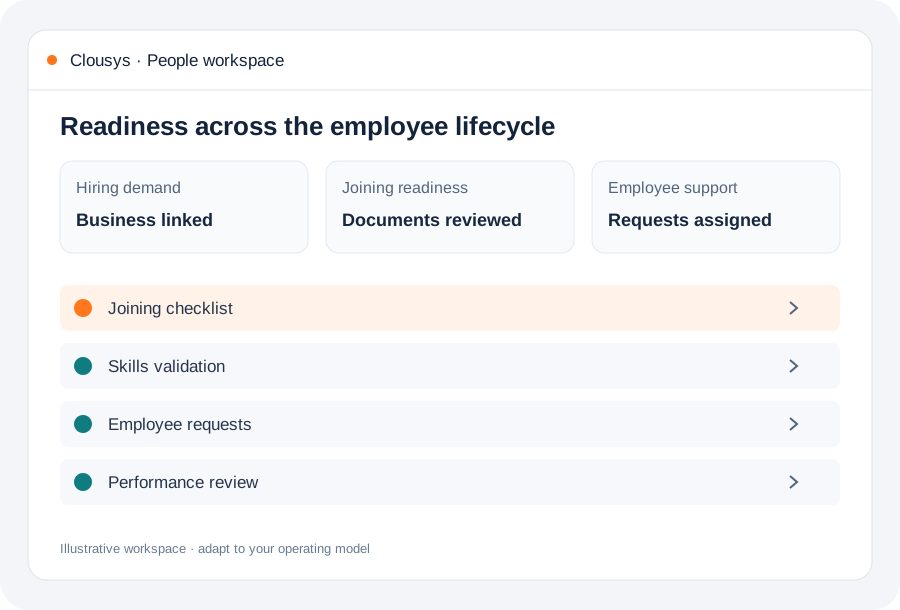
Use upcoming demand to discuss skills, development and hiring. Retain the employee lifecycle context so a change in role, availability or joining date informs deployment.
Keep employment history, skills, certifications and project experience together. Make changes to role, manager and location visible to the teams planning deployment.
Connect recruiting priorities to future skills and start dates. Separate a forecast requirement from a confirmed position before approving a new hiring commitment.
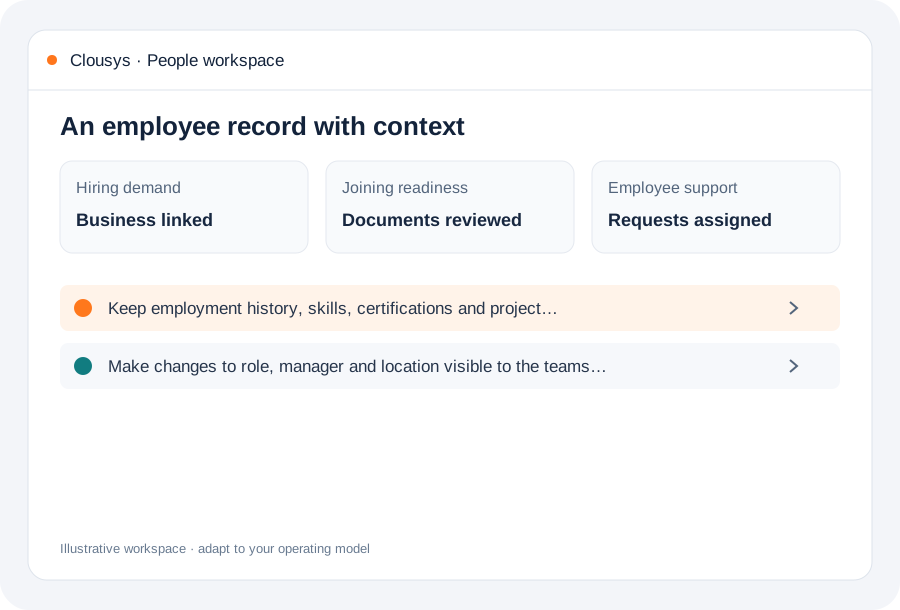
Coordinate document collection, verification and pre-onboarding activities. Keep an accepted offer distinct from an employee who is ready to join and be deployed.
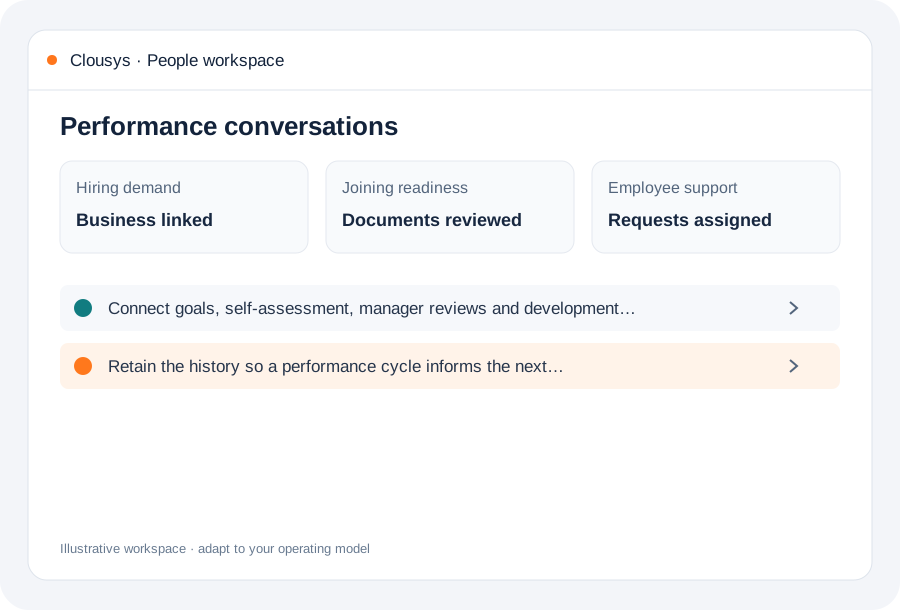
Connect goals, self-assessment, manager reviews and development plans. Retain the history so a performance cycle informs the next conversation rather than ending as an isolated rating.
Translate likely opportunities into dated skill requirements without treating every possible deal as a confirmed assignment.
Read article →
Review scope changes, excess effort, staffing mix, rate exceptions, idle capacity, late records and billing delays together.
Read article →
Give leaders a traceable view of capacity, delivery and financial risk, with clear distinctions between facts and estimates.
Read article →
Evaluate a resource recommendation against experience, delivery context and the constraints a skills score cannot explain.
Read article →