

From Pipeline to Capacity: Building a Connected Demand Forecast
Translate likely opportunities into dated skill requirements without treating every possible deal as a confirmed assignment.
Read article →CLOUSYS · CONNECTED PROFESSIONAL SERVICES
Forecast services revenue from demand, staffing, delivery and billing evidence.
THE DECISION THIS SUPPORTS
A start date shifts or a billing exception remains open. Keep the original assumption visible, distinguish confirmed transactions from estimated exposure, and identify the decision needed next.
Build the forecast from work that can realistically be staffed and delivered.
Keep opportunity assumptions, committed work and billing expectations distinguishable. When a date or allocation changes, review the downstream revenue effect instead of updating the finance forecast independently of delivery.
Understand where delivered work sits in the approval chain.
Submitted time, approved work with an exception and invoice-ready value represent different operational states. Give each state an owner and next action so finance can move work forward without repeatedly requesting the same context.
Review billing exceptions against the engagement’s agreed terms.
Rate discrepancies, purchase-order constraints and missing approvals require different resolution paths. Keep the reason and accountable owner visible; a single unbilled total does not explain which decisions will release the value.
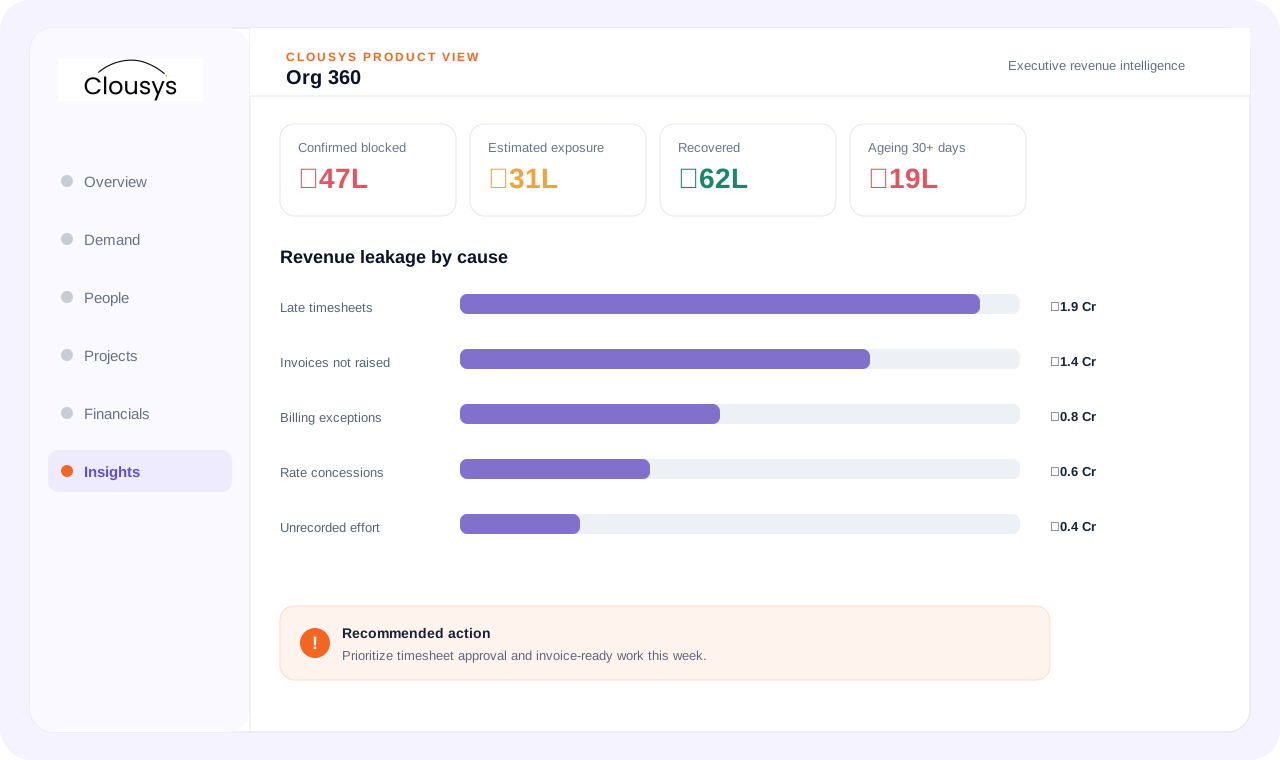
Keep confirmed blocked revenue separate from modelled exposure.
Confirmed amounts should be traceable to transactions; estimates depend on explicit assumptions. Adding both into one total can mislead decision-makers and obscure whether an intervention is resolving an existing blockage or preventing a possible one.
Review how long value has remained blocked and the cause of the delay.
Prioritize aged, material exceptions with the teams able to resolve them. A useful finance view makes the next action visible and lets leaders distinguish an unresolved approval from an invoice already progressing normally.
Examine effort, staffing costs, rates and delivery variance alongside the project’s expected revenue.
A headline margin percentage is an outcome, not a diagnosis. Trace the variance to operational drivers before deciding whether to change the staffing mix, address scope or revisit the remaining estimate.
Track value that was blocked and has moved into invoicing.
Define the event counted as recovery so it is not confused with cash collected. Review recovered value alongside new blockages and ageing; a strong month of recovery can otherwise mask recurring upstream problems.
Bring delivery owners and finance into one review of project economics and billing readiness.
Agree which exceptions can be resolved now, which need client input and which require leadership decisions. Carry the owner and target date into the next review rather than reopening the same discussion.
WORKFLOW DESIGN
Start with one revenue forecasting workflow. Agree the source records, accountable owners and approval rules before expanding the scope.
PRACTICAL QUESTIONS
Use committed work, realistic staffing and delivery dates, and the engagement’s billing terms. Keep uncertain pipeline assumptions visible so a change in capacity or timing can be explained in the forecast.
A delayed start or an unfilled role can move delivered effort and its billing date. Review the downstream effect with delivery and finance rather than changing a financial forecast independently of the operational plan.
Show the assumptions and source period behind the forecast. Separate contracted work from possible demand and identify the staffing or acceptance conditions that could change the expected result.

Translate likely opportunities into dated skill requirements without treating every possible deal as a confirmed assignment.
Read article →

Review scope changes, excess effort, staffing mix, rate exceptions, idle capacity, late records and billing delays together.
Read article →

Give leaders a traceable view of capacity, delivery and financial risk, with clear distinctions between facts and estimates.
Read article →

Evaluate a resource recommendation against experience, delivery context and the constraints a skills score cannot explain.
Read article →