

INSIGHT ·
From Pipeline to Capacity: Building a Connected Demand Forecast
Translate likely opportunities into dated skill requirements without treating every possible deal as a confirmed assignment.
Read article →CLOUSYS · ROLE & INDUSTRY WORKSPACE
Protect client commitments with a current view of work, staffing and delivery risk.
THE DECISION THIS SUPPORTS
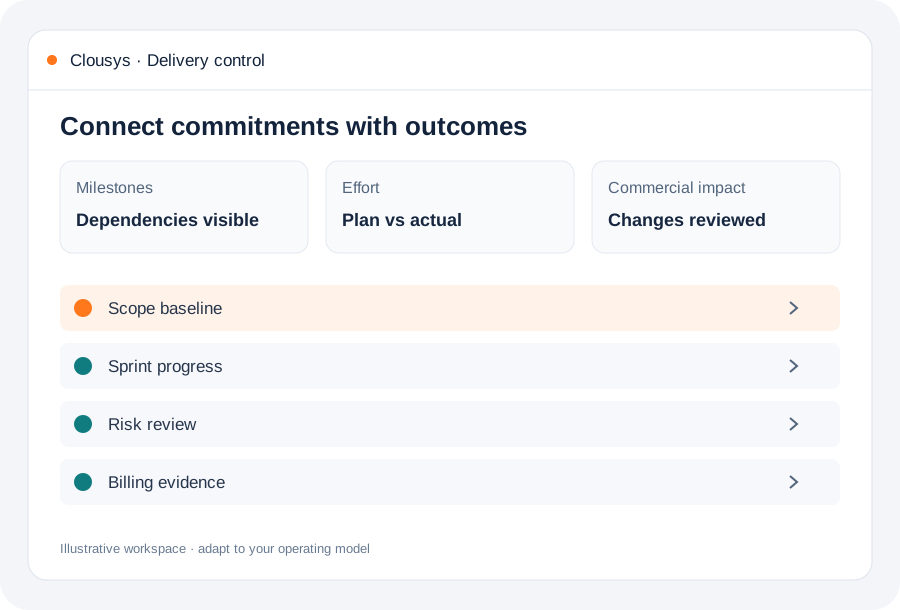
A milestone moves and the team needs additional effort. Review the dependency, revised plan and resource impact alongside budget and target margin before accepting the change.
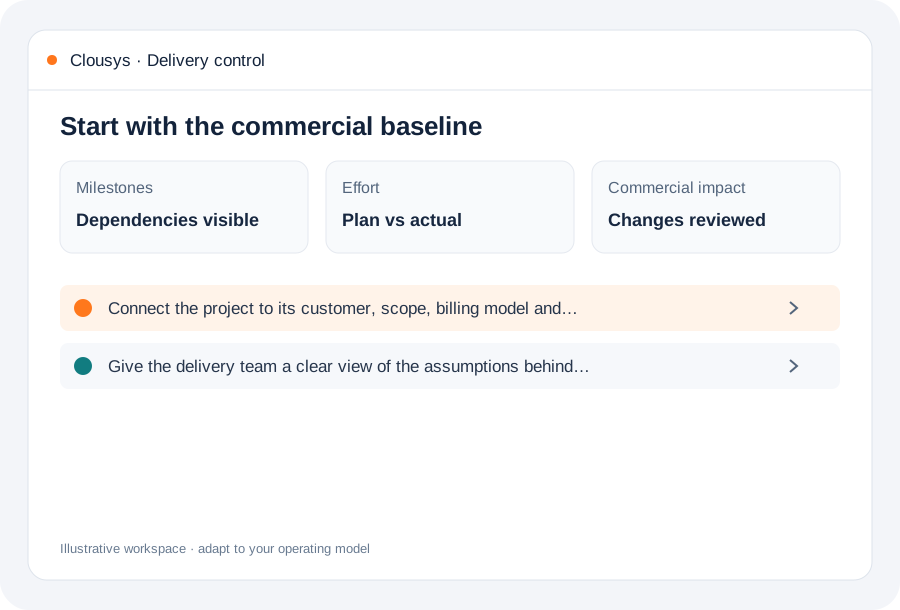
Connect the project to its customer, scope, billing model and target margin. Give the delivery team a clear view of the assumptions behind the engagement.
Break delivery into milestones, releases and work items. Review effort estimates and dependencies alongside the people needed to execute the plan.
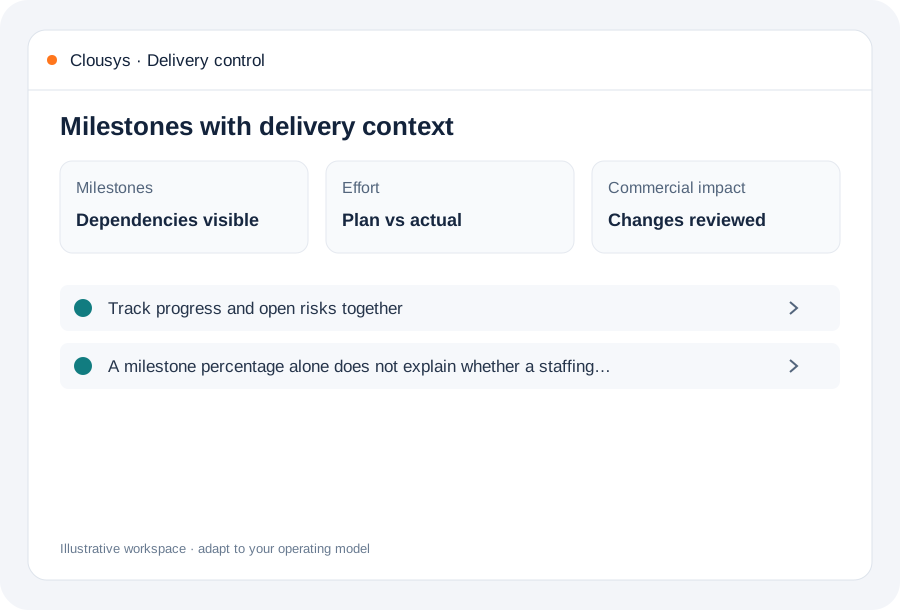
Track progress and open risks together. A milestone percentage alone does not explain whether a staffing gap or unresolved dependency threatens the date.
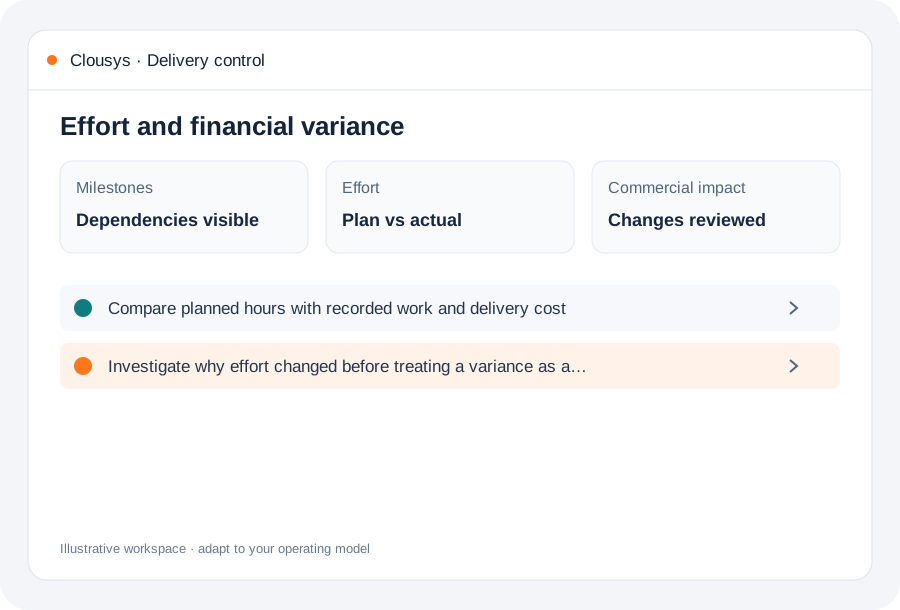
Compare planned hours with recorded work and delivery cost. Investigate why effort changed before treating a variance as a reporting problem.
Translate likely opportunities into dated skill requirements without treating every possible deal as a confirmed assignment.
Read article →
Review scope changes, excess effort, staffing mix, rate exceptions, idle capacity, late records and billing delays together.
Read article →
Give leaders a traceable view of capacity, delivery and financial risk, with clear distinctions between facts and estimates.
Read article →
Evaluate a resource recommendation against experience, delivery context and the constraints a skills score cannot explain.
Read article →