

INSIGHT ·
From Pipeline to Capacity: Building a Connected Demand Forecast
Translate likely opportunities into dated skill requirements without treating every possible deal as a confirmed assignment.
Read article →CLOUSYS · ROLE & INDUSTRY WORKSPACE
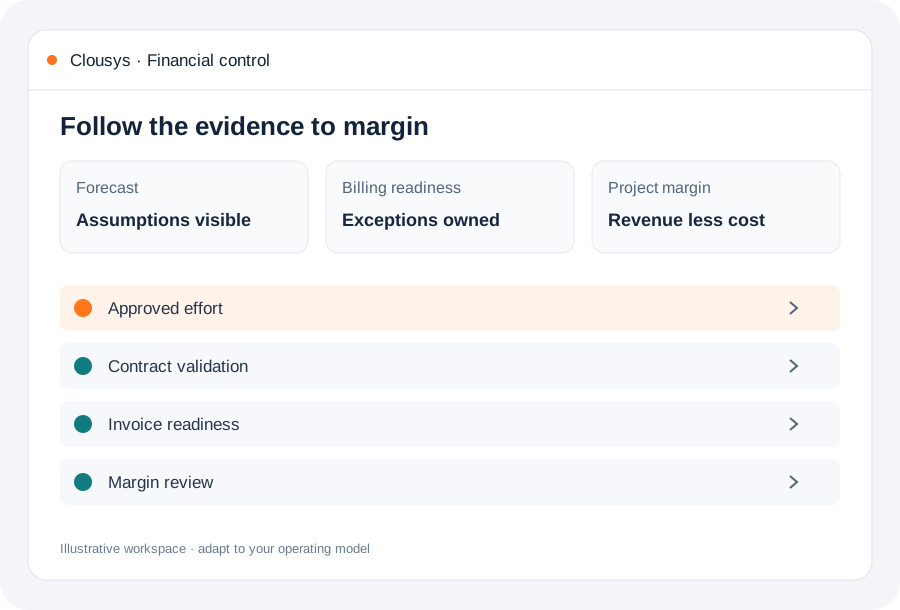
Connect the margin and revenue outlook to the work, approvals and exceptions behind it.
THE DECISION THIS SUPPORTS
Review billing readiness, confirmed blockages and estimated exposure separately. Trace a material variance to project evidence and agree an owner with delivery.
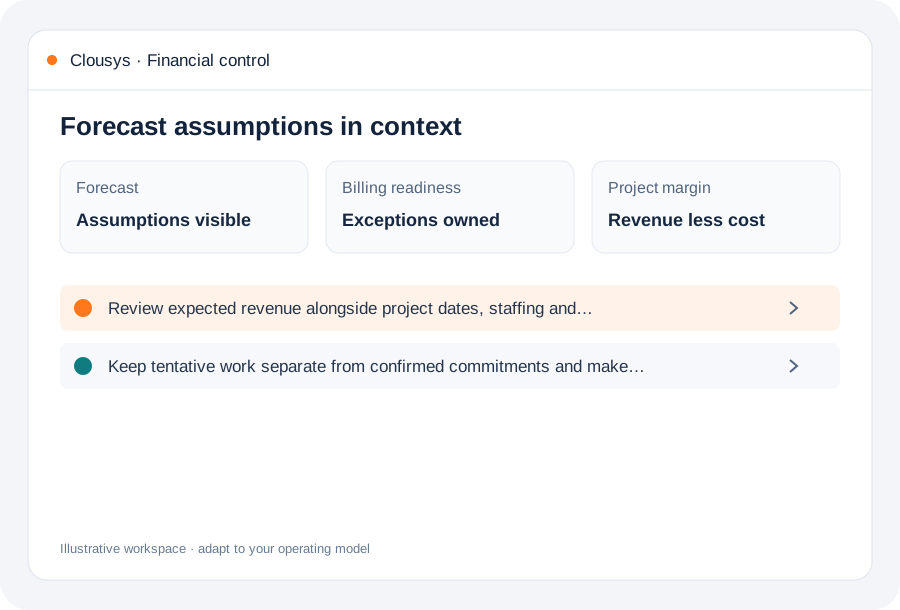
Review expected revenue alongside project dates, staffing and billing models. Keep tentative work separate from confirmed commitments and make changes to the forecast explainable.
Trace completed work through timesheet approval and commercial checks. Identify the record and owner preventing an otherwise ready item from reaching invoicing.
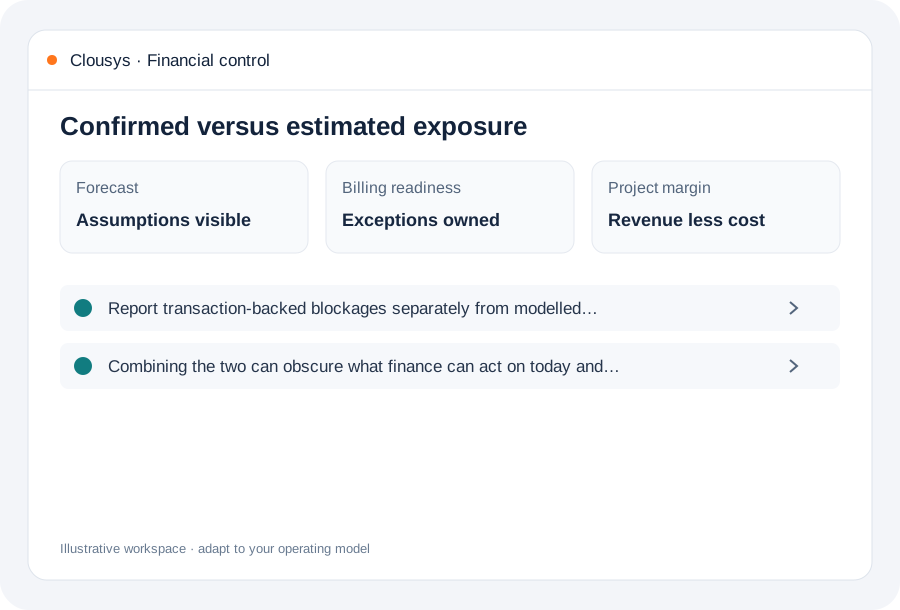
Report transaction-backed blockages separately from modelled exposure. Combining the two can obscure what finance can act on today and what still depends on an assumption.
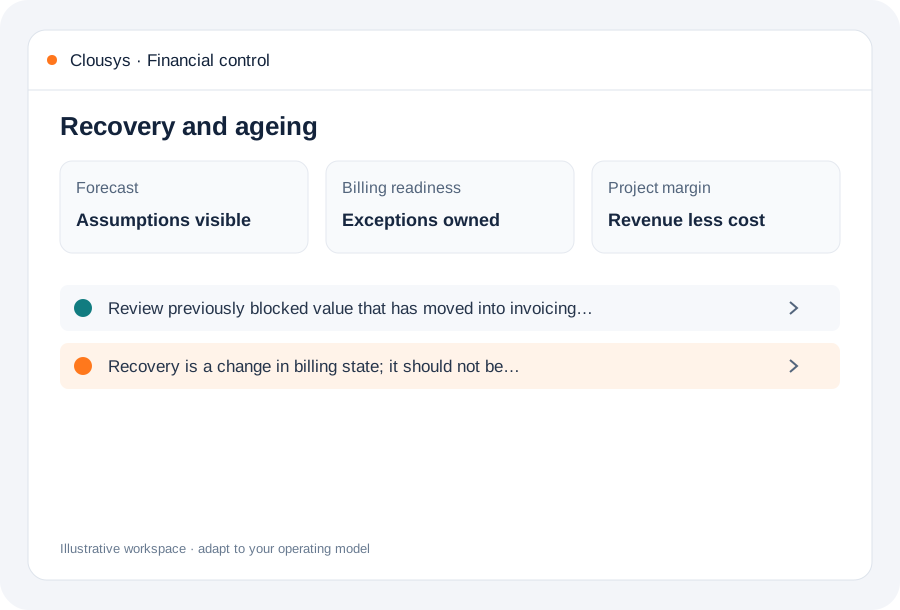
Review previously blocked value that has moved into invoicing alongside new blockages. Recovery is a change in billing state; it should not be described as cash collected.
Translate likely opportunities into dated skill requirements without treating every possible deal as a confirmed assignment.
Read article →
Review scope changes, excess effort, staffing mix, rate exceptions, idle capacity, late records and billing delays together.
Read article →
Give leaders a traceable view of capacity, delivery and financial risk, with clear distinctions between facts and estimates.
Read article →
Evaluate a resource recommendation against experience, delivery context and the constraints a skills score cannot explain.
Read article →