

INSIGHT ·
From Pipeline to Capacity: Building a Connected Demand Forecast
Translate likely opportunities into dated skill requirements without treating every possible deal as a confirmed assignment.
Read article →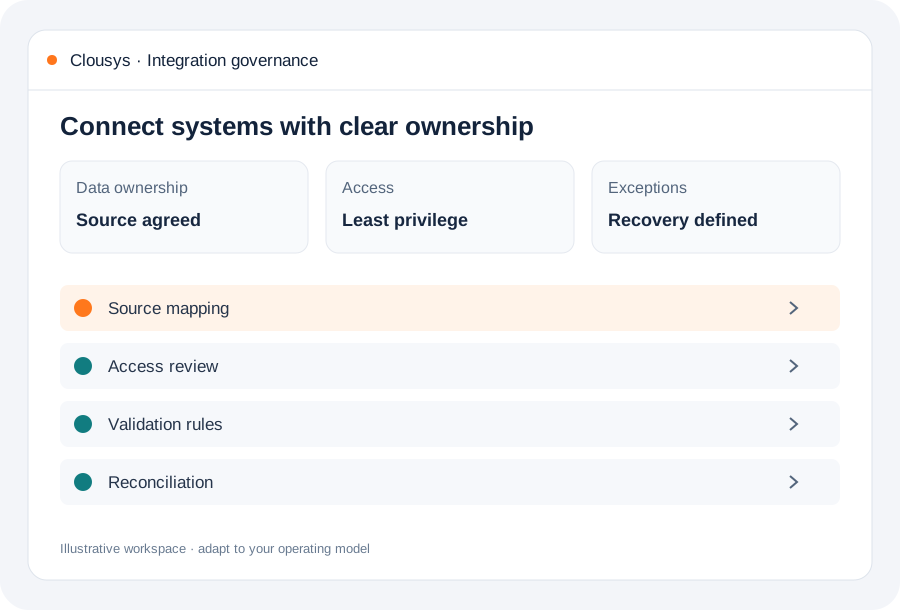
Identify the source of truth for customer, employee, project and financial records. Agree which system owns each change before designing the integration.
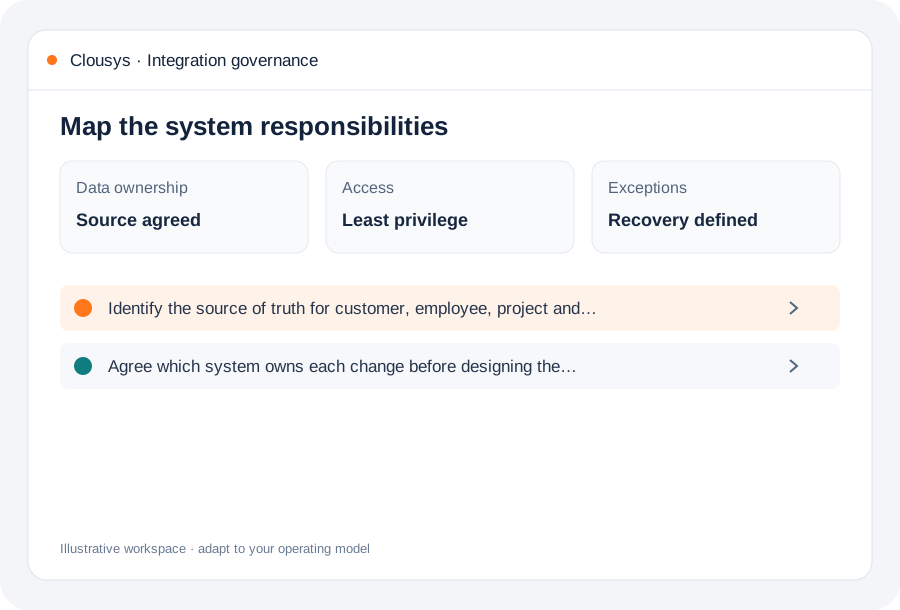
Map statuses, identifiers and required fields with the teams using them. A technically successful transfer is not sufficient if the receiving workflow interprets the record differently.
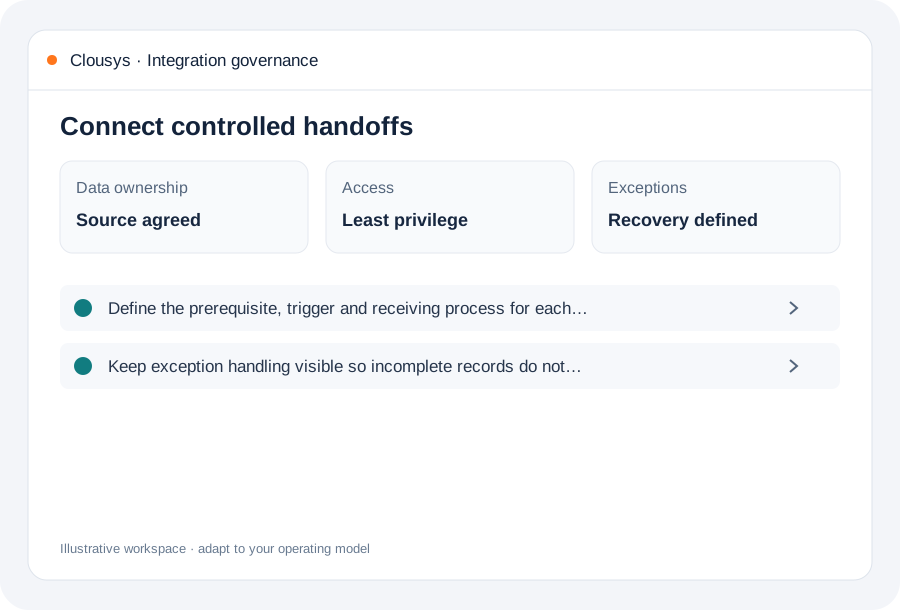
Define the prerequisite, trigger and receiving process for each integration. Keep exception handling visible so incomplete records do not silently move downstream.
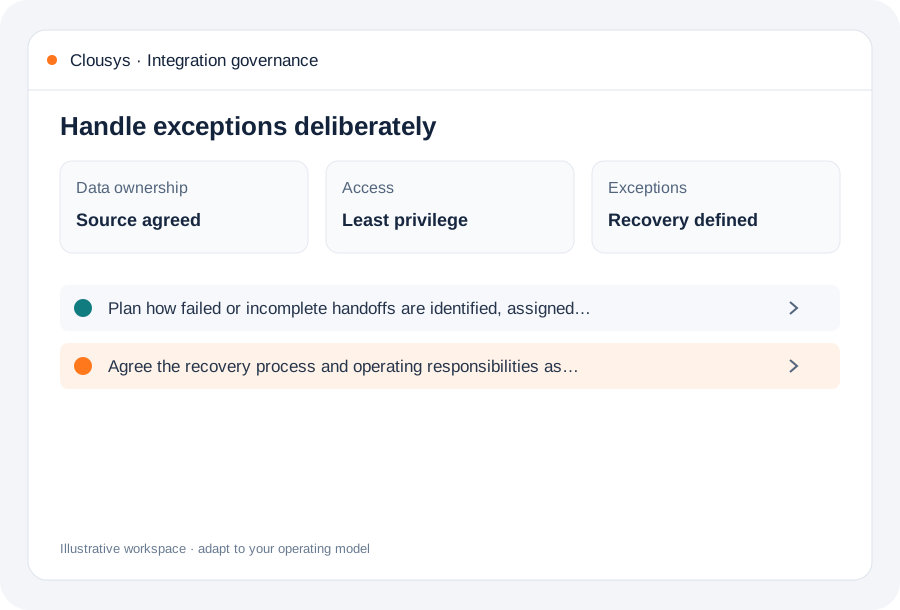
Plan how failed or incomplete handoffs are identified, assigned and resolved. Agree the recovery process and operating responsibilities as part of integration design.
Translate likely opportunities into dated skill requirements without treating every possible deal as a confirmed assignment.
Read article →
Review scope changes, excess effort, staffing mix, rate exceptions, idle capacity, late records and billing delays together.
Read article →
Give leaders a traceable view of capacity, delivery and financial risk, with clear distinctions between facts and estimates.
Read article →
Evaluate a resource recommendation against experience, delivery context and the constraints a skills score cannot explain.
Read article →